
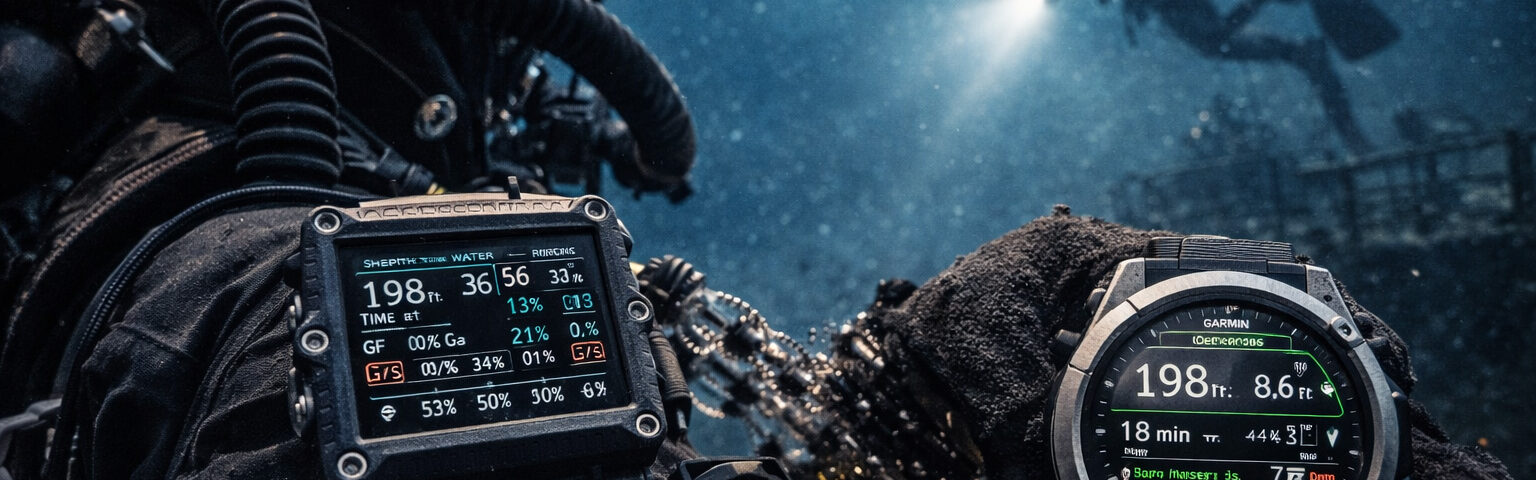
The landscape of underwater telemetry has shifted significantly in the past year. As technical divers push the boundaries of depth and bottom time, the reliance on rigid, factory-set decompression models is becoming obsolete. In 2026, the industry standard has firmly consolidated around customizable gradient factors, specifically utilizing the Bühlmann ZHL-16C algorithm.
The Shift from Proprietary to Open-Source Algorithms
For over a decade, major manufacturers relied on locked, proprietary algorithms that often erred on the side of extreme conservatism—frustrating technical divers who needed granular control over their ascent profiles. Today, the demand for transparency has forced a market pivot. By adopting the Bühlmann model, computers now allow divers to adjust their Gradient Factors (GF Low and GF High) to match their specific physiological needs, breathing gas mixtures, and the physical demands of the dive.
According to recent decompression studies published by the Divers Alert Network (DAN), allowing technical divers to tailor their deep stops and shallow out-gassing rates significantly reduces the incidence of sub-clinical decompression sickness (DCS).
Integration of Real-Time Biometrics
What separates the 2026 models from their predecessors isn’t just the algorithm itself, but how it integrates with real-time biometric data. High-end units, such as the latest iterations from Shearwater Research, are now pairing the Bühlmann calculations with active heart rate and skin temperature telemetry.
“The computer is no longer just a depth gauge; it is a vital signs monitor that predicts decompression stress before it becomes a physical reality.”
Looking Ahead: The “Smart Diver” Configuration
As we continue to test these units in the field—particularly in the high-current environments of the Similan outposts—it is clear that the modern technical diver must be as fluent in software configuration as they are in gas blending. Expect a full teardown of the latest wrist-mounted AI integrations in our upcoming gear audit.